
Empowering Individuals to Build Thriving Communities: UFM’s Projects Make Prosperity Possible

UFM Prosperity Lab is committed to fostering individual prosperity as a foundation for creating thriving, entrepreneurial communities. Through a variety of projects, we seek to empower individuals with the tools, knowledge, and confidence needed to improve their economic and personal circumstances. By combining rigorous data collection and analysis, educational outreach, and an alternative model of development economics, our initiatives strive to cultivate environments where the entrepreneurial spirit can flourish.
We believe that individual success—rooted in human dignity, property rights, and personal liberty—is the key to broader prosperity. As more people engage in value creation, they contribute to a virtuous cycle of growth that elevates families, businesses, and entire communities. By helping economic actors at all levels understand dynamic market processes, we inspire them to unlock their full potential. Our goal is to build a future where the collective prosperity of individuals leads to thriving communities.
Projects
Entrepreneurship plays a crucial role in fostering prosperity. It acts as a powerful catalyst for economic growth, driving innovation, boosting productivity, creating jobs, and addressing some of society’s greatest challenges.
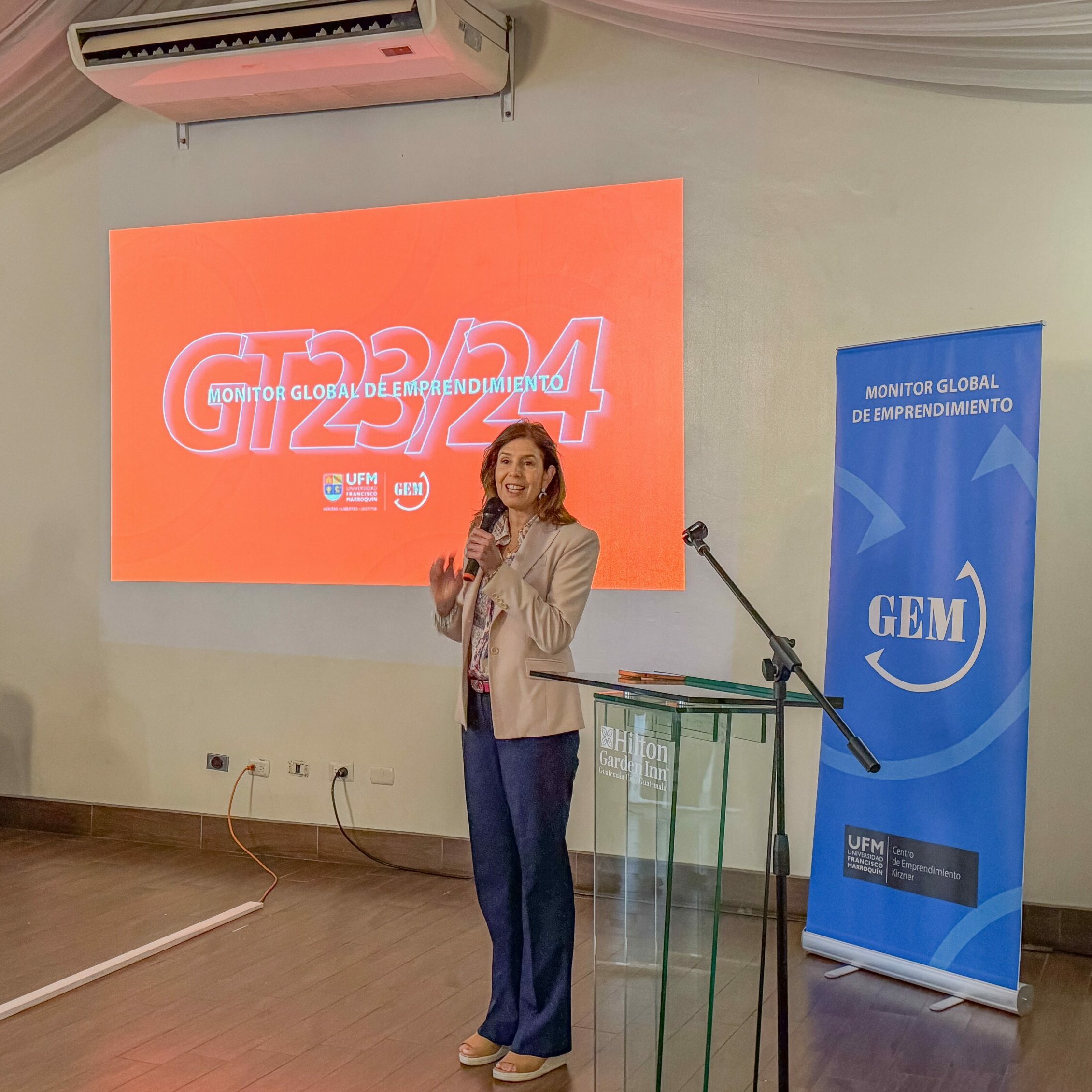
The Global Entrepreneurship Monitor (GEM) is the largest entrepreneurship research study in the world. Launched in 1999 and implemented by UFM in Guatemala since 2009, it conducts survey-based research on entrepreneurship and entrepreneurial ecosystems globally.
Using quantitative metrics, GEM enables comparisons with other countries, providing a global context for evaluating Guatemala’s entrepreneurial ecosystem.
GEM is an invaluable tool that brings us closer to Guatemalan entrepreneurs, allowing us to understand their development, identify their limitations, comprehend their concerns, and celebrate their achievements. Additionally, it facilitates connections with a diverse network of individuals in the entrepreneurial ecosystem.
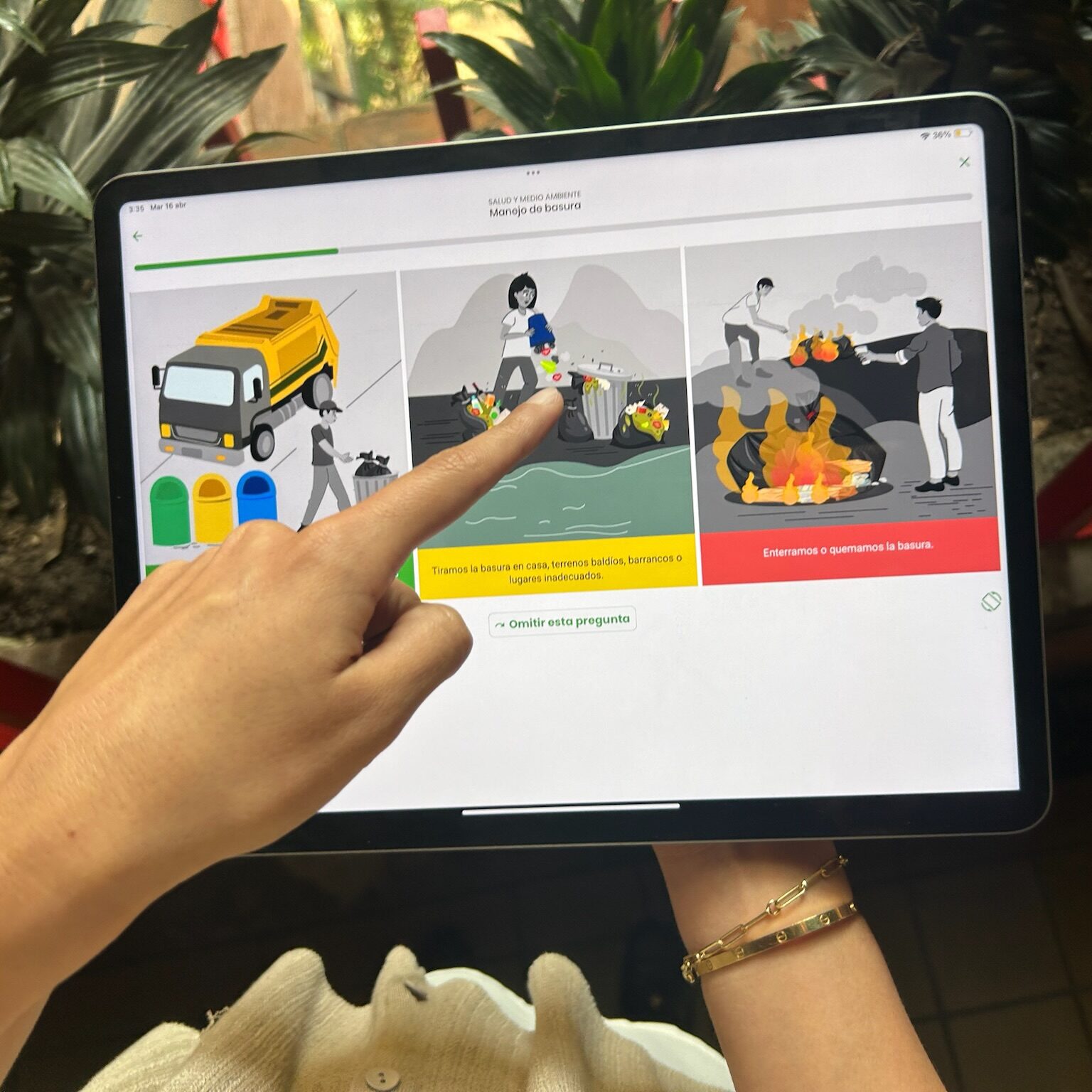
Drawing on the Poverty Stoplight methodology developed by Fundación Paraguaya, Lights of Development seeks to empower individuals to lift themselves out of poverty. Families can self-assess their level of poverty within their local context across three levels: extreme poverty (red), poverty (yellow), and no poverty (green). This framework helps individuals gain awareness of their situation and encourages them to take actionable steps toward change.
The process begins with a survey consisting of fifty indicators across six dimensions of multidimensional poverty: Income & Employment, Health & Environment, Housing & Infrastructure, Education & Culture, Organization & Participation, and Interiority & Motivation. A trained mentor guides participants through the questionnaire and presents the results, highlighting the areas marked in red, yellow, and green. With this information and the mentor’s support, participants can prioritize the areas in which they want to improve.
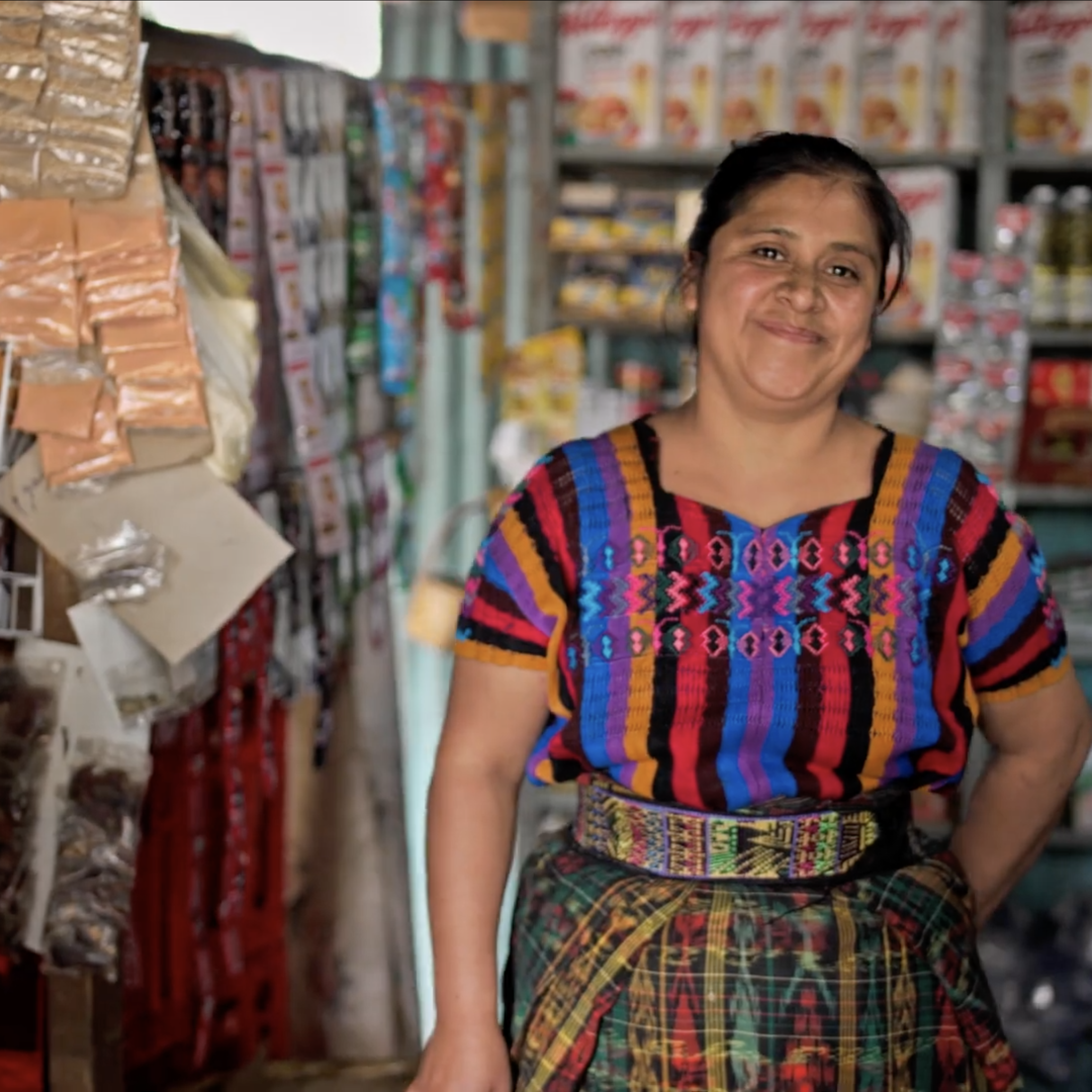
The project focuses on the comprehensive analysis of local entrepreneurs, particularly those from grassroots families, to identify the most prevalent types of businesses. The study aims to detect best practices that contribute to their success and scalability, and to develop tailored business and financial models for the most common types of enterprises identified. This approach facilitates the sustainable growth of existing businesses while serving as a blueprint for new entrepreneurs, ultimately promoting long-term prosperity.
Business models will highlight the unique components to each business type, providing insights into the key drivers of success. Financial modeling will focus on developing frameworks based on relevant financial indicators. These models will support more efficient management practices, enabling businesses to maximize profits and maintain financial stability. This approach fosters economic development through strategic solutions that support the long-term success of enterprises.
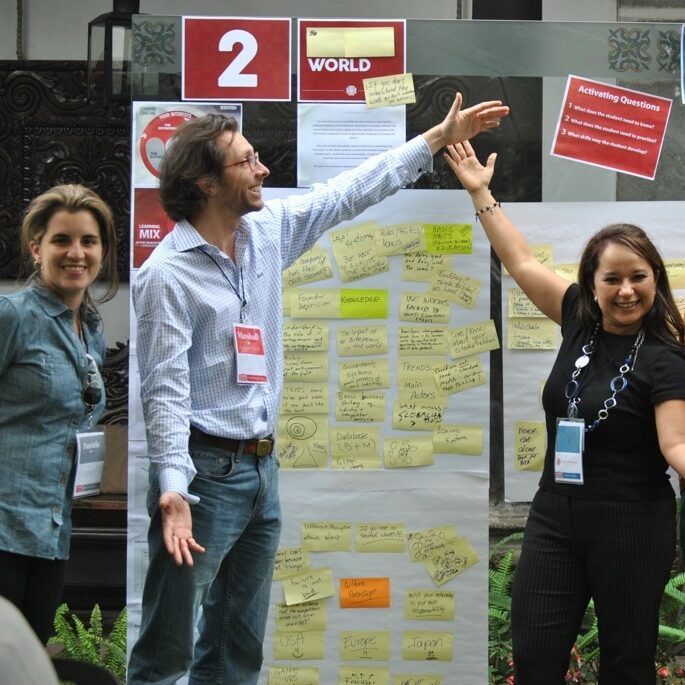
The Center is named after Israel Kirzner (b. 1930), a leading scholar in the Austrian School of economic thought, whose major area of research focuses the role of entrepreneurship in economic activity. Established to deepen the study and strengthen the topic of entrepreneurship at UFM and Guatemala, the Center aims to be a valuable source of information and a hub for disseminating the different theories, tools, and processes that promote entrepreneurship and support entrepreneurs.
The Center has three main focuses:
- Education: the objective is to disseminate entrepreneurship theory and practice through courses, workshops, conferences, and special programs.
- Research: the goal is to deepen our understanding of entrepreneurship, by researching and documenting the stories of local entrepreneurs and cases of Guatemalan businesses.
- Connections: the Center promotes learning and networking outside the boundaries of UFM through events, projects and alliances, competitions, and challenges.
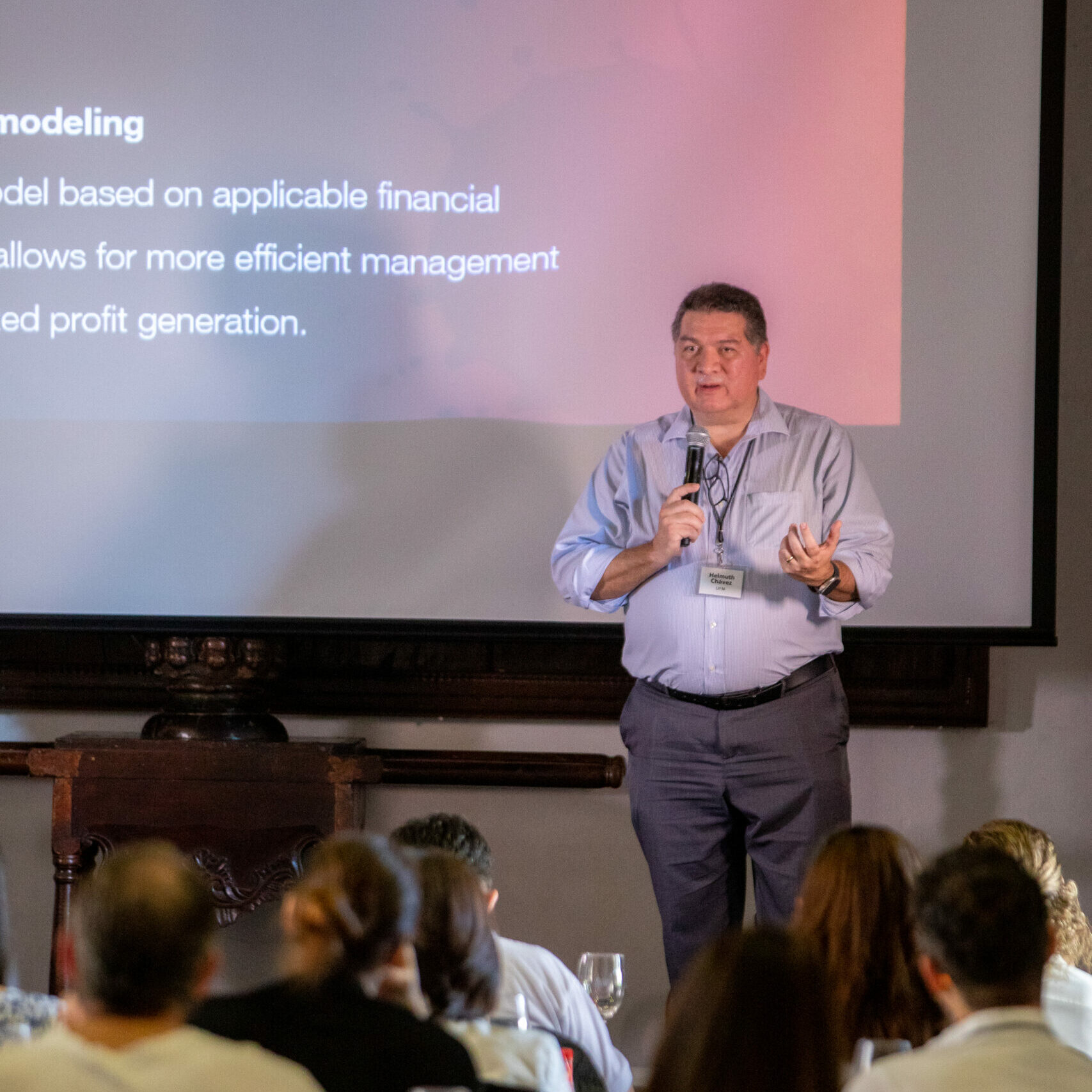
UFM Hubs will serve as community-based physical spaces designed to provide educational content and activities aimed at enhancing entrepreneurial and business management skills, particularly for individuals who lack access to formal education. The primary objective is to foster a more efficient and interconnected environment that facilitates both learning and practical application.
Each UFM Hub will be equipped with technological tools and tailored educational resources that facilitate the sharing of experiences and the creation of personalized learning pathways to meet the specific needs of entrepreneurs.
These hubs will act as key anchors for UFM’s outreach efforts within selected communities. In addition to engaging cohorts of learners, UFM Hubs will seek to establish partnerships with larger local businesses, offering educational opportunities for their employees, customers, and participants within their broader value chains.

UFM’s Disruptive Education Center focuses on creating innovative tools for distributing educational content through various channels, ensuring adaptability for diverse audiences and continuous adjustment to user needs. The Center has developed an online personalized learning platform aimed at expanding educational outreach.
This platform includes a) a self-adjusting process for setting personalized learning benchmarks, b) individualized learning paths and user-oriented content curation, c) the EdTech methodology that accelerates learning, and d) feedback loops that improve the integration of user experience and outcomes.
The goal is to continuously evolve and anticipate the dynamic needs of an ever-expanding educational landscape, reaching new markets, empowering individuals, and transforming the way knowledge is shared. By producing content on entrepreneurship, free markets, and other relevant topics, the platform will create impactful learning that will foster growth.
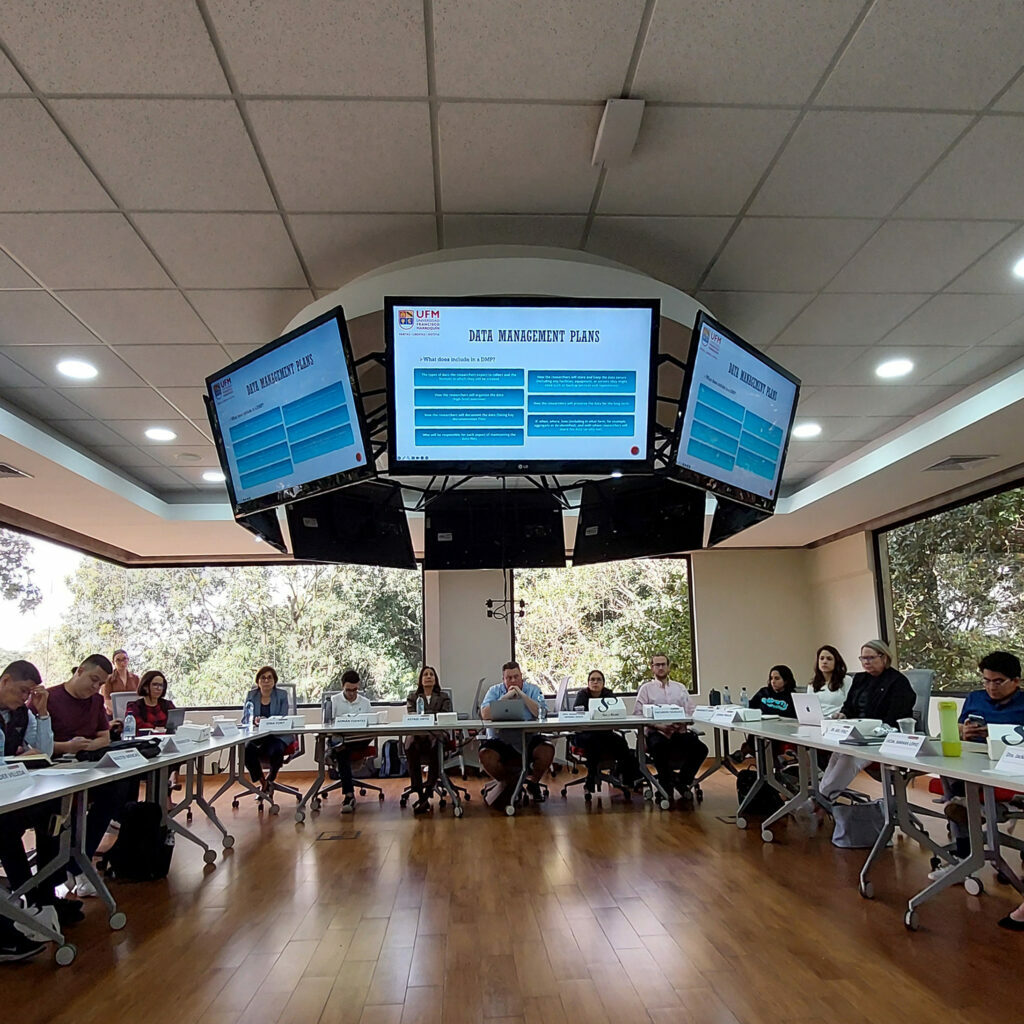
This project comprises structured and dynamic conversations that encourage participants to actively engage in critical thinking and questioning. The goal is to deepen their understanding of the essential principles that underlie free markets and entrepreneurship, which are fundamental to sustainable prosperity. Through these dialogues, participants critically examine and contrast these fundamental principles with those upheld by contemporary welfare systems and interventionist models, which have historically failed to achieve their intended goals of fostering development and economic progress.
These sessions are intentionally designed to inspire participants to challenge and rethink their underlying assumptions, refine their comprehension of economic theories, and cultivate a deeper appreciation for the role that free market principles and entrepreneurial innovation play in driving economic growth, fostering innovation, and long-term prosperity.
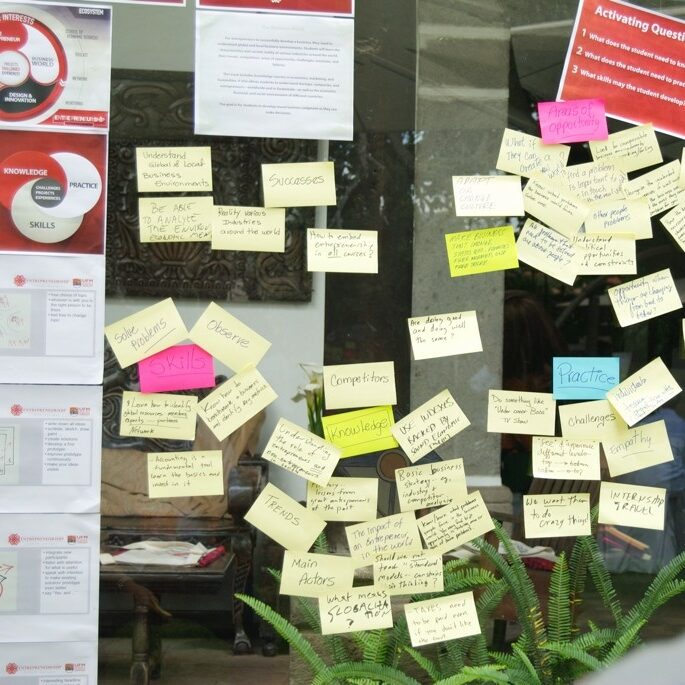
The Essentials of Freedom is an initiative aimed at creating and disseminating didactic materials that effectively convey the fundamental principles of freedom and free market economics. These resources are to be made available to individuals and organizations alike, with the goal of broadening understanding and appreciation of these concepts among diverse audiences.
This project seeks to introduce new audiences to the foundational ideas of liberty by developing content grounded in the institutions, traditions, beliefs, habits, and practices that are universally recognized as essential for preserving freedom.
By presenting these ideas in an accessible and engaging manner, the project promotes a deeper understanding of the values inherent in free societies.
This approach ensures that learners can see the relevance of these principles in contemporary contexts, fostering a greater appreciation for the roles that individual liberty and free markets play in driving prosperity.